
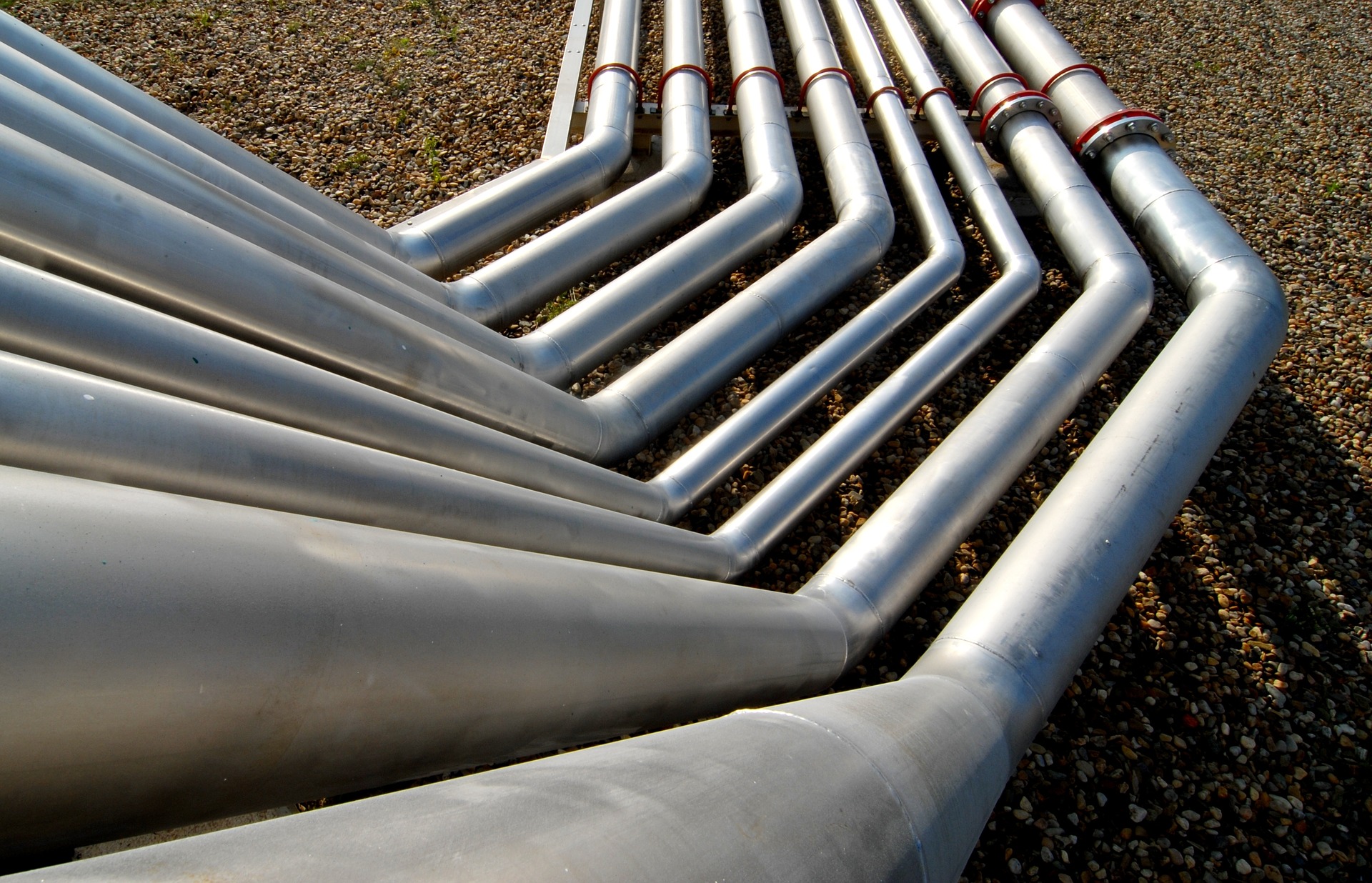
Stainless steel pipe should be used when the environment or media are corrosive to carbon steel, or when cleanliness really matters. Carbon steel is still the workhorse, but in the wrong conditions, it rusts fast and becomes a maintenance problem.
Corrosion and environment
Stainless pipe contains enough chromium (usually above about 10.5%) to form a thin, self-healing film that protects it from rust. Carbon steel lacks that chromium layer, so in the presence of water and oxygen, it quickly forms iron oxide (rust) that keeps spreading.
Use stainless steel pipe instead of carbon steel when:
- The fluid is corrosive: chemicals, saltwater, some acids, caustics, or aggressive cleaning agents.
- The outside environment is harsh: coastal air, frequent washdown, wet or humid areas, or constant condensation.
- You want long service life with minimal rust-related leaks, pitting, or wall loss.
In mild, dry service (indoor air, non-corrosive water, basic utilities), properly protected carbon steel (painted, coated) often remains the economical choice.
Hygiene and cleanliness
Stainless steel is preferred anywhere cleanliness and sanitation are critical.
Choose stainless steel pipe when:
- The system handles food, beverages, or pharma products where contamination is unacceptable.
- You have frequent cleaning with hot water, steam, or chemicals (CIP/SIP systems).
- Smooth, easy-to-clean surfaces reduce bacterial growth or buildup.
Carbon steel can leave rust, flakes, or discoloration in the product stream, which is unacceptable in sanitary or high-purity applications.
Both materials can handle high temperatures, but they behave differently.
Stainless steel pipe is often chosen when:
- The pipe experiences frequent temperature cycling and moisture, and carbon steel’s oxide scale and rust spall off over time.
- You need corrosion resistance at elevated temperatures, such as in some steam, exhaust, or hot-chemical lines (grade-dependent).
- Extreme cold or cryogenic conditions require both toughness and corrosion resistance.
Carbon steel remains common for many high-temperature steam and high-pressure services when corrosion can be controlled and cost is a concern. Some carbon steel grades can handle low-temperature applications down to -50f (A333).
Appearance and exposure
When the pipe is visible, stainless often wins on looks and longevity.
Use stainless steel pipe if:
- The piping is exposed in public or architectural areas and needs to stay bright and rust‑free.
- Outdoor runs must look good for years without constant repainting.
Carbon steel tends to develop a dull, rusty appearance if coatings fail, which can look like poor maintenance even when the system is still sound. Even galvanizing tends to dull and look worn.
Cost and lifecycle thinking
Carbon steel pipe is nearly always less expensive per foot than stainless steel. However, in tough environments, stainless steel can be less costly over the life of the system.
Stainless steel may be the better choice when:
- Corrosion on carbon steel would force frequent replacements, unplanned shutdowns, or constant recoating.
- A leak would be extremely costly or dangerous (critical chemicals, high-value product, hard-to-access piping).
If the service is mild, the environment is controlled, and you can protect the pipe with coatings or lining, carbon steel typically gives the best value.
In plain terms: use carbon steel where the environment is friendly and the fluid is non-corrosive, and step up to stainless when rust, hygiene, or long-term appearance are serious concerns.
Jan 29, 2026
