
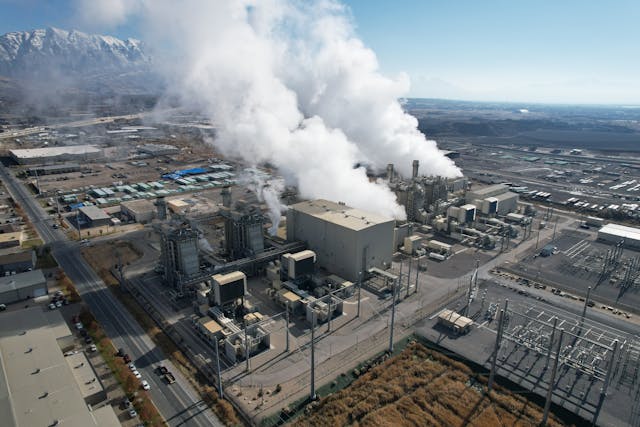
Steam is one of the most demanding services in industrial and commercial piping. High temperatures, pressure cycling, corrosion risk, and condensate all place unique stresses on pipe materials. Choosing the wrong pipe can lead to premature failure, leaks, safety risks, and costly downtime.
So, what pipe material is best for steam service? The answer depends on pressure, temperature, system size, and application. Below is a clear breakdown of the most common materials and where each makes sense.
Carbon Steel: The Industry Standard for Steam
Carbon steel is the most widely used and trusted material for steam piping.
Why carbon steel works
- Handles high temperature and pressure
- Excellent strength and durability
- Cost-effective compared to alloys
- Proven performance over decades
Common grades
- ASTM A106 Grade B (seamless) – most common for high-pressure steam
- ASTM A53 Grade B – often used for lower-pressure steam lines
Best used for
- Medium- and high-pressure steam
- Superheated steam
- Power plants, refineries, industrial facilities
Carbon steel tolerates thermal expansion well and resists erosion from high-velocity steam when properly designed and supported.
Alloy Steel: For High Temperature and High Stress
When temperatures climb beyond the limits of carbon steel, alloy steel becomes necessary.
Why use alloy steel
- Higher creep resistance
- Better strength at elevated temperatures
- Improved oxidation resistance
Common grades
- Chrome-moly steels (ASTM A335 P11, P22, P91)
Best used for
- Superheated steam
- High-temperature headers
- Power generation and turbine service
Alloy steels cost more but are essential where carbon steel would soften or deform over time.
Stainless Steel: Corrosion Resistance Over Cost
Stainless steel is suitable for steam, but it is not the default choice.
Pros
- Excellent corrosion resistance
- Clean internal surface
- Good for wet steam or condensate return
Cons
- Higher cost
- Greater thermal expansion
- Lower strength at high temperatures compared to alloy steel
Common grades
- 304/304L
- 316/316L
Best used for
- Clean steam systems
- Pharmaceutical or food processing
- Corrosive condensate environments
Copper: Limited to Low-Pressure Steam
Copper is not recommended for most steam service.
Where copper may work
- Low-pressure, low-temperature steam
- Small heating systems
Limitations
- Loses strength at elevated temperatures
- Not suitable for industrial steam
- Joint failures under thermal cycling
Copper should be avoided in high-pressure or continuous steam applications.
Cast Iron & Ductile Iron: Generally Not Recommended
Cast and ductile iron may be found in older systems, but they are not recommended for steam.
- Brittle under thermal stress
- Poor tolerance for rapid temperature changes
- Higher risk of cracking
Modern steam systems rarely specify iron piping.
So, What’s the Best Choice?
| Application | Best Pipe Material |
| Low-pressure steam | Carbon steel (A53) |
| Medium/high-pressure steam | Carbon steel (A106) |
| Superheated steam | Alloy steel (P11, P22, P91) |
| Clean or corrosive steam | Stainless steel |
| Small residential systems | Copper (limited use) |
Final Takeaway
For most steam systems, carbon steel remains the best overall pipe material, offering the right balance of strength, temperature resistance, cost, and longevity. As temperatures rise or service becomes more demanding, alloy steel takes over. Stainless steel plays a niche role where cleanliness or corrosion resistance is critical.
Selecting the correct pipe material upfront improves safety, reduces maintenance, and extends system life, making it one of the most important decisions in steam system design.
Jan 15, 2026
