
How to Determine the Proper Pipe Wall Thickness for Pressure and Temperature
Jan 23, 2026
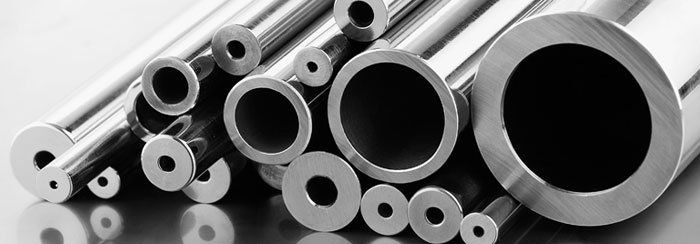
Selecting the correct pipe wall thickness is one of the most important decisions in industrial piping design. Under-specifying the wall puts you at risk of failure, leaks, or code violations. Over-specifying it increases material, labor, and support costs without gaining real benefit. The goal is to choose a wall thickness that safely handles pressure and temperature while meeting code and service requirements.
This article focuses on metal pipe used in industrial, process, and mechanical systems.
Start With the Design Conditions
The first step is defining the design pressure and design temperature. Design values should account for upset conditions, startups, shutdowns, and safety margins required by code.
Ask these questions first:
- What is the maximum internal pressure the system could see
- What is the maximum temperature during operation?
- Is the service continuous or intermittent?
Pipe wall thickness must be based on the worst credible conditions, not day-to-day averages.
Identify the Pipe Material and Grade
Pipe strength varies widely by material and grade. Carbon steel, stainless steel, and alloy steels all behave differently under pressure and temperature.
For example:
- A106 Grade B carbon steel has different allowable stresses than A53 Grade A.
- Stainless steel grades lose strength differently at elevated temperatures.
- Alloy steel grades may be required for high-temperature steam or process service.
Allowable stress values for each material are published in ASME piping codes and are temperature-dependent.
Understand That Temperature Reduces Allowable Pressure
As metal temperature increases, allowable stress decreases. This means a pipe that is acceptable at ambient temperature may not be acceptable at elevated temperatures, even if the pressure remains the same.
This is especially critical in:
- Steam systems
- Hot oil systems
- Process lines with sustained high temperatures
Higher temperature often drives the need for thicker-walled pipe, even when pressure is moderate.
Use the Applicable Piping Code
Industrial piping wall thickness is calculated using formulas provided in piping codes, such as:
- ASME B31.1 for power piping
- ASME B31.3 for process piping
These codes account for internal pressure, outside diameter, allowable stress, joint efficiency, and design factors. The result is a minimum required wall thickness for pressure and temperature.
After calculating the minimum thickness, additional allowances must be added.
Add Corrosion and Erosion Allowance
Most industrial systems require a corrosion allowance. This is extra wall thickness added to account for material loss over the life of the system.
Common corrosion allowances range from:
- Zero for clean, dry, noncorrosive service
- 1 sixteenth inch or more for corrosive fluids, steam, or wet services
Erosion from high velocity flow or entrained solids may also require additional thickness.
Consider the Joining Method
How the pipe is joined affects the selection of wall thickness.
Threaded pipe requires thicker walls because material is removed during threading. This is why threaded systems often specify Schedule 80 even when pressure alone might allow Schedule 40.
Welded systems offer greater flexibility and often allow thinner-walled pipe while still meeting code requirements.
Select the Nearest Standard Pipe Schedule
Once the required minimum wall thickness is known, the next step is selecting a standard pipe schedule that meets or exceeds that thickness.
Pipe is manufactured in standard schedules such as 10, 40, 80, and higher. You do not specify an exact wall thickness. You choose the next available schedule that satisfies all requirements.
This step balances safety, availability, and cost.
Check Secondary Factors
Before finalizing the wall thickness, review other factors that can drive schedule selection:
- External loads and mechanical abuse
- Pipe support spacing
- Thermal expansion and stress
- Owner or project specifications
- Inspection and testing requirements
In some cases, these factors will require a thicker wall than pressure and temperature alone.
Avoid the Common Mistake of Overbuilding
A frequent mistake in industrial piping is defaulting to a heavier schedule without analysis. A thicker pipe increases weight, welding time, support requirements, and cost. It can also affect flow by reducing the inside diameter.
Proper wall thickness selection should be intentional and justified, not assumed.
Final Takeaway
Determining the correct pipe wall thickness for pressure and temperature is a structured process. It starts with design conditions, uses code-based calculations, accounts for material strength and temperature effects, and includes corrosion and joining considerations.
When done correctly, the result is a piping system that is safe, code-compliant, and cost-effective over its entire service life. If there is uncertainty, reviewing the application with an experienced industrial piping engineer can prevent costly mistakes before materials are ordered.
Jan 23, 2026
